Please visit the site again using one of the following browsers.

Opera

Chromium

Safari

Firefox
As daily financial transactions accelerate, mobile banking and the use of digital wallets have become central to life. Money transfers, subscription payments, e-commerce spending are now completed in a few taps. As comfort increases, the perception of risk also changes. The issue of account security requires a multi-layered approach that is not limited only to technical measures.
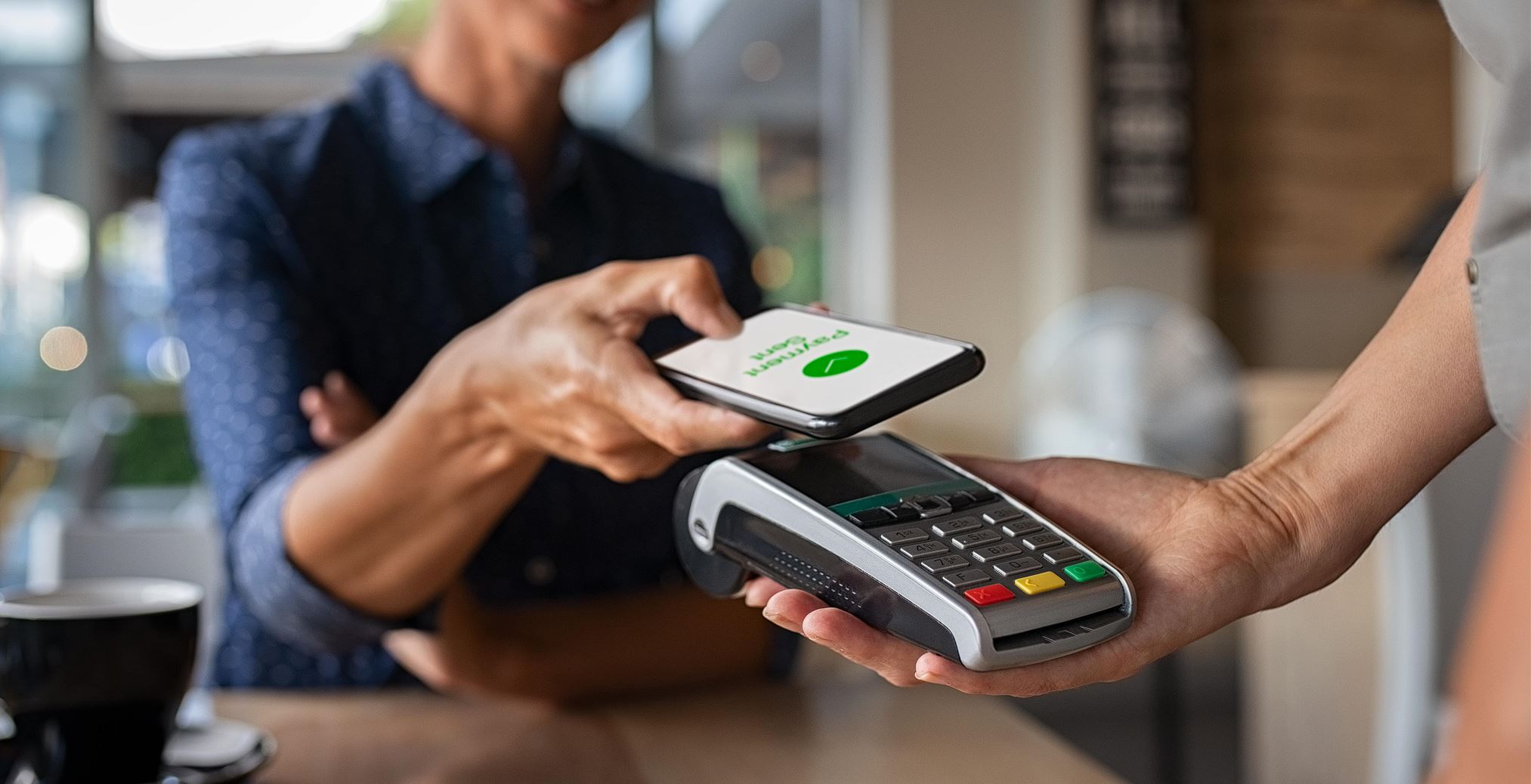
Although mobile banking applications work with powerful infrastructures, user habits directly affect the level of security. Elements such as device security, connection preferences, application permissions should be evaluated together. Small details that go unnoticed in everyday use become decisive in terms of mobile banking security measures.
Preference for biometric authentication at application entries, keeping the screen lock active, not delaying updates are among the cornerstones of safe use. Transactions on open Wi-Fi networks pose risks. Mobile banking security starts with the device belonging only to you.
At this point there is a question that users often ask: Are mobile banking applications safe? The answer is clear, infrastructures are safe. The risk is mostly caused by user behavior. When the right habits are adopted, the level of security increases significantly.
Mobile banking becomes safe with conscious use. Technical measures alone will not be enough without a review of habits.
Things to Consider When Using Internet Banking
Transactions through the browser carry different risks compared to mobile applications. Fake sites, keyboard listeners, malicious plugins are more common in this area. Internet banking security measures require keeping the device used under control.
Certificate information must be checked in the browser address bar. The saved password feature poses a serious risk on shared computers. It is a basic rule not to share one-time verification codes in Internet banking transactions.
One of the frequently asked questions under this heading is: Is Internet banking or mobile banking safer? Mobile applications are generally safer thanks to the closed system structure. Browser-based operations are open to more external influences. Internet banking is still widely used. The level of security depends on user awareness as well as the device used.
This question is one of the most curious topics in the world of digital finance. The answer to the question of whether mobile banking applications are secure makes sense when the infrastructure and the way of use are considered together. Banks use advanced encryption methods. The main risk is caused by the user rather than external interference.
Software downloaded from outside the official app stores poses a serious threat. Fake links through notifications are among the most common methods of phishing attempts. Mobile banking security is as much related to the interacting channels as the app itself.
Users often act with the thought “It doesn't happen to me.” However, even a single careless click can undermine account security. Conscious use is the strongest link in the safety chain. Applications are secure. The risk arises with careless use.
Digital wallets are secure to the extent that they offer control. Setting limits, card closing, instant notifications give direct authority to the user. Account security in digital wallets is strengthened by the active use of these tools.
Virtual cards created through UPTION prevent the sharing of physical card information in online spending.The limit of the UPTION Card and the UPTION virtual card is set by the user. These cards can be turned off at any time. This structure limits possible risks before they even arise.
A similar approach applies on the part of money transfers. Once the UPTION account is verified, all transactions are managed from a single platform. Transactions made through cards linked to TL, EUR or USD accounts proceed under user control.
If you are in control, the security level increases. Digital wallets create a strong layer of security when used correctly.
When choosing a digital wallet, popularity alone is not a sufficient criterion. Elements such as the infrastructure, the area of control offered to the user, transparency must be evaluated together. Choosing the safest digital wallet is made by looking at the details.
The following headings clarify the decision process:
● User-managed account structure
● Offering the possibility of setting card limits
● Instant opening and closing of virtual card
● Real-time transmission of expense notifications
● Ability to trade with different currencies
The above criteria strengthen not only security, but also budget control. The choice of a digital wallet should be made with long-term use in mind. Security is not a passive feature. Solutions that offer active control to the user are always stronger.
Thanks to the presentation of different methods in the UPTION application, such as sending to name, sending to bank account, sending to card or transfer to digital wallets, users can plan their transactions according to their needs.
Possibility to send money to bank accounts in Europe with a fixed transaction fee of €1ensures that transfer processes are clear and predictable. With the European Account feature, users can get SEPA compliant EUR IBAN, securely receive payments from abroad at a flat fee per transaction to their accounts. Dating institutions like MoneyGram, Ria or WorldRemit The fact that transfers made through the name can be instantly accounted for with the reference number also increases the control of transactions.